The Importance of Lung Strength: Why Strong Breathing Muscles Save Lives
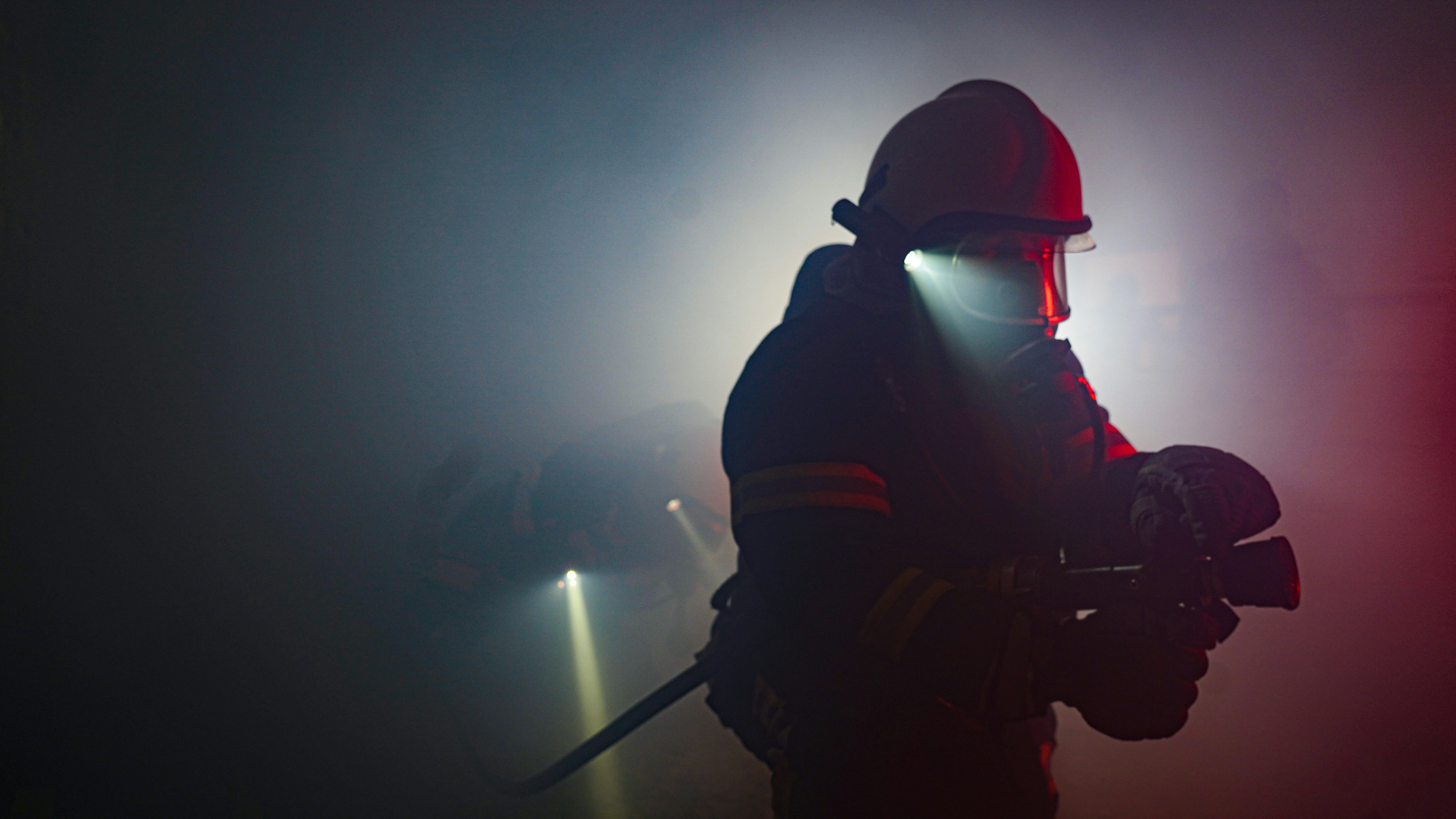
When most people think about fitness, they picture the visible muscles — biceps, quads, abs — the parts of the body that can be toned, flexed, and easily measured. But the most important muscles for firefighters, athletes, and anyone performing under stress are the ones no one sees.
They are small, tireless, and vital: the muscles that power every breath. Your lungs don’t move on their own. Every inhale and exhale depends on the strength, coordination, and endurance of the respiratory muscles — primarily the diaphragm and the intercostals between the ribs. These muscles work continuously, more than 20,000 times per day, regulating the balance between oxygen and carbon dioxide in the body.
In a job like firefighting, that system is constantly tested. Carrying 75 pounds of turnout gear, hauling hose, and climbing stairs in heat and smoke all place extraordinary demands on the body’s ability to move air efficiently. If your breathing muscles fatigue early, the rest of your body follows.
Your Lungs Depend on Muscle, Too
Breathing might feel automatic, but it’s as physical as any other movement. The diaphragm — a dome-shaped sheet of muscle separating the chest and abdomen — contracts downward to pull air into the lungs. The intercostals expand the ribcage, and accessory muscles in the neck, chest, and abdomen kick in during heavy exertion. Together, they create a rhythm that keeps the body fueled with oxygen and able to expel waste gases.
When these muscles weaken or lose endurance, efficiency drops. That means more effort per breath, higher heart rate, and faster fatigue — especially in conditions with limited oxygen or restricted airflow, like inside a burning structure or during wildfire operations.
Firefighters often describe the sensation of “running out of air” even when their tanks are still full. It’s not lack of oxygen — it’s muscle exhaustion. When respiratory muscles tire, they trigger a reflex that redirects blood flow away from the limbs and toward the lungs, a protective mechanism known as the respiratory metaboreflex. The result? Legs feel heavier, grip weakens, and physical performance declines long before cardiovascular endurance actually runs out.
Why Lung Strength Matters for Firefighters
Firefighters face a perfect storm of respiratory stressors:
Weight and restriction of gear.
Heat and smoke.
Stress and adrenaline.
Chronic exposure to fine particulates.
In this environment, strong respiratory muscles aren’t a luxury — they’re protective gear. Studies from institutions such as the University of Portsmouth, Colorado State University, and NIOSH have shown that firefighters with higher respiratory muscle strength demonstrate improved endurance, faster recovery, and greater tolerance to heavy gear and heat stress.
A 2019 meta-analysis of respiratory muscle training (RMT) found consistent improvements in maximal inspiratory pressure (MIP) — the standard measure of lung strength — and in overall work capacity during simulated fireground tests. Firefighters who trained their breathing muscles could perform longer before fatigue set in and recovered faster between high-intensity efforts.
Continue Reading
Explore ideas, trends, and behind-the-scenes stories from our studio.

